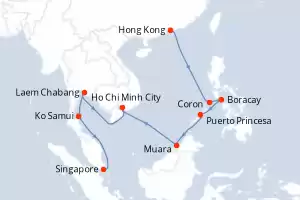
Itinerary : Hong Kong, Coron, Boracay, Puerto Princesa, Muara, Ho Chi Minh City, Laem Chabang, Ko Samui, Singapore


Norwegian Jade
15 d
Inside Stateroom
Hong Kong
12/09/2026
from
US$ 2,359

7 cruises found
A cruise to the Philippines feels like sailing through a vast archipelago where every port of call brings a change of pace: Manila and its historic districts, Palawan and its limestone lagoons, Cebu and Bohol with their heritage, beaches and hills, or Boracay for a more laid-back beach break.
The journey combines city life, islands, snorkeling, white-sand beaches, markets, colonial churches, coastal villages and tropical scenery. Depending on the itinerary, the experience may focus on culture, time at sea, family activities, or underwater wonders and boat excursions.
Your search criteria:
Philippines
Itinerary : Hong Kong, Coron, Boracay, Puerto Princesa, Muara, Ho Chi Minh City, Laem Chabang, Ko Samui, Singapore


Norwegian Jade
15 d
Inside Stateroom
Hong Kong
12/09/2026
from
US$ 2,359
Itinerary : Benoa, Jakarta, Singapore, Puerto Princesa, Coron, Manila, Ilocos, Hualien, Taipei


Oceania Aurelia
15 d
Inside Stateroom
Benoa
03/27/2028
from
US$ 5,538
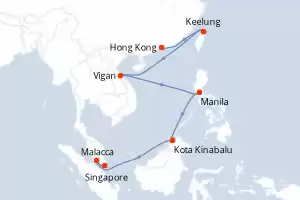
Itinerary : Hong Kong, Keelung, Vigan, Manila, Kota Kinabalu, Malacca, Singapore


Silver Muse
13 d
Suite
Hong Kong
02/14/2029
from
US$ 8,550
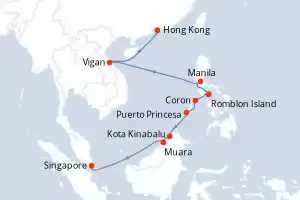
Itinerary : Hong Kong, Vigan, Manila, Romblon Island, Coron, Puerto Princesa, Kota Kinabalu, Muara, Singapore


Silver Muse
14 d
Suite
Hong Kong
11/27/2028
from
US$ 8,850
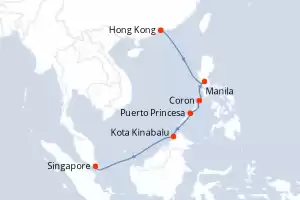
Itinerary : Hong Kong, Manila, Coron, Puerto Princesa, Kota Kinabalu, Singapore


Silver Moon
13 d
Suite
Hong Kong
09/27/2028
from
US$ 9,550
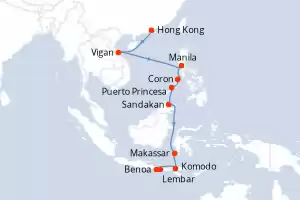
Itinerary : Hong Kong, Vigan, Manila, Coron, Puerto Princesa, Sandakan, Makassar, Komodo, Lembar, Benoa


Silver Muse
16 d
Suite
Hong Kong
01/04/2029
from
US$ 9,950
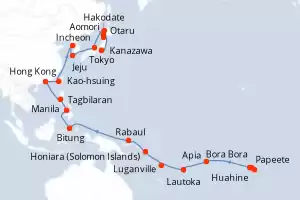
Itinerary : Papeete, Huahine, Bora Bora, Apia, Lautoka, Luganville, Honiara (Solomon Islands), Rabaul, Bitung, Tagbilaran, Manila, Hong Kong, Kao-hsuing, Incheon, Jeju, Kanazawa, Otaru, Aomori, Hakodate, Tokyo


Vasco da Gama
47 d
Ocean view Stateroom
Papeete
01/22/2027
from
US$ 14,032
| Season | Weather & swimming | Expert advice |
|---|---|---|
January - February & December | The most comfortable period. The temperatures are more pleasant, the humidity is more moderate and the conditions are often favorable for boat trips. | An excellent time for a first cruise to the Philippines, especially if the itinerary includes Palawan, Boracay or the Visayas. |
March - May Very sunny, but warmer. The beaches, lagoons and snorkeling outings are very attractive, with more heat during the day. A good choice for travelers who want to focus on the sea and islands. Keep the pace flexible and plan breaks in the shade. | ||
June - October More variable and more risky weather. Rains are more frequent, some seas can be agitated and tropical disturbances can alter ports of call. Less recommended time for a cruise centered on lagoons and beaches. It requires more flexibility. | ||
November | Progressive return to better conditions. Rains often decrease, but the weather can remain changing depending on the region. | A viable time to travel if the itinerary is well designed, with fewer crowds than at the height of the dry season in some places. |
In the Philippines, the highlights depend heavily on the itinerary: a major historic city, Palawan's lagoons, beaches in the Visayas, natural attractions, or purely beach-focused ports of call. Choose a cruise that shows more than just one beach-centered image of the archipelago.

In Coron
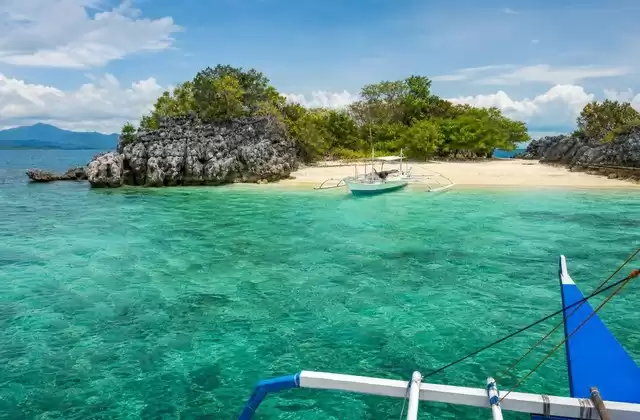
The lagoons, limestone cliffs and boat trips make up one of Palawan's most notable experiences.

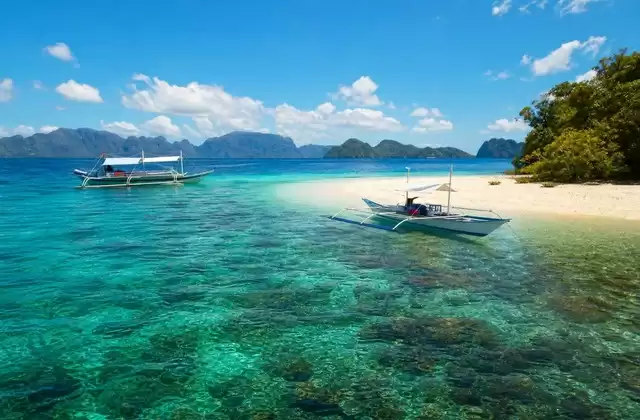
Honda Bay
The islets near Puerto Princesa make for a well-rounded day of snorkeling, beach time and sailing.

In Panglao
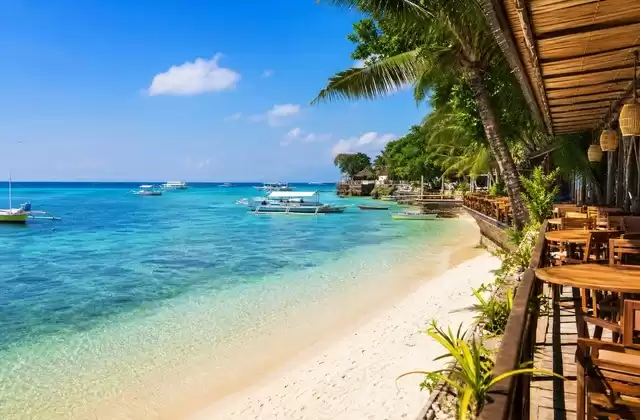
The beaches and sea trips give a softer version of Visayas.

In Manila
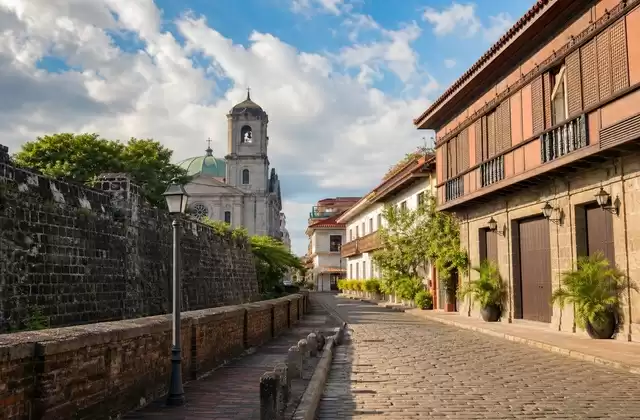
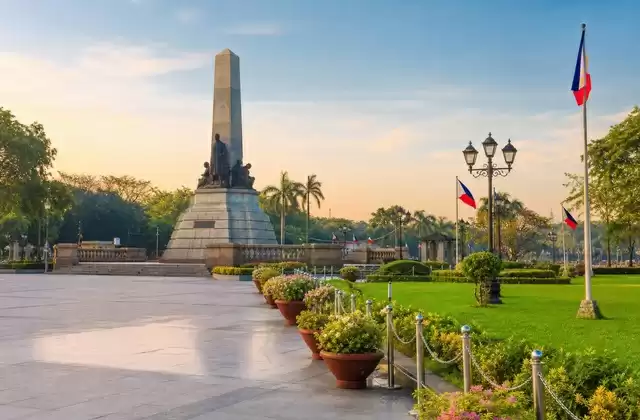
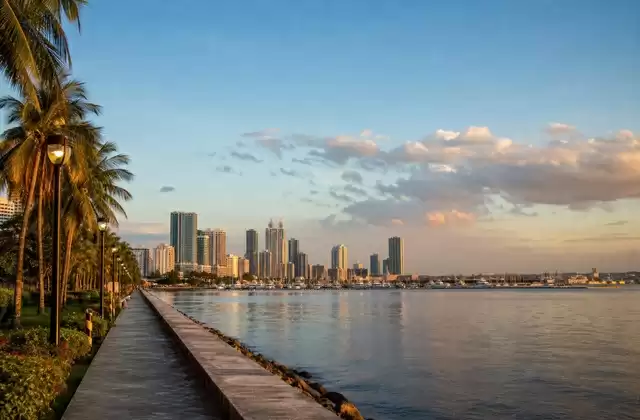
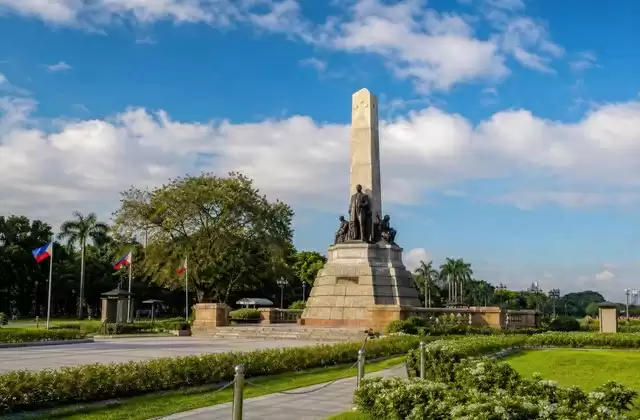
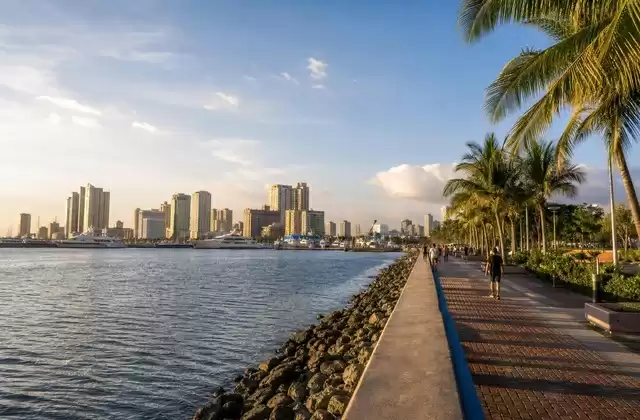
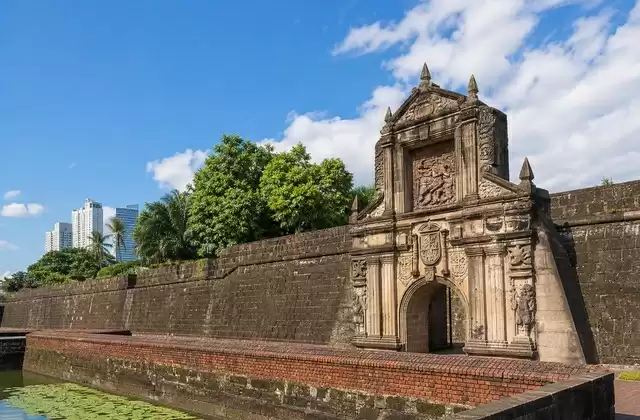
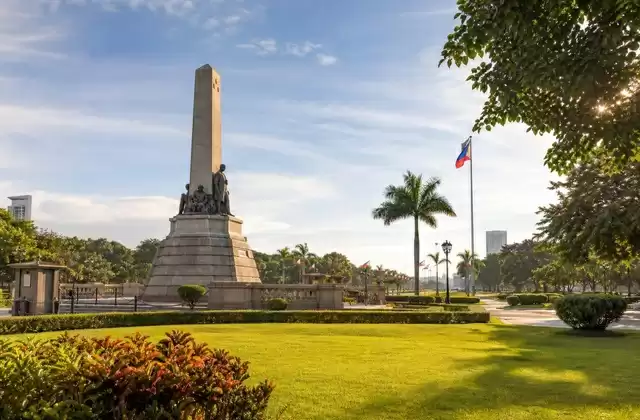
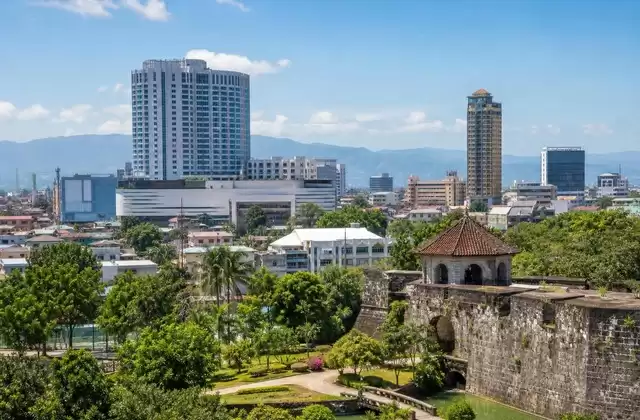
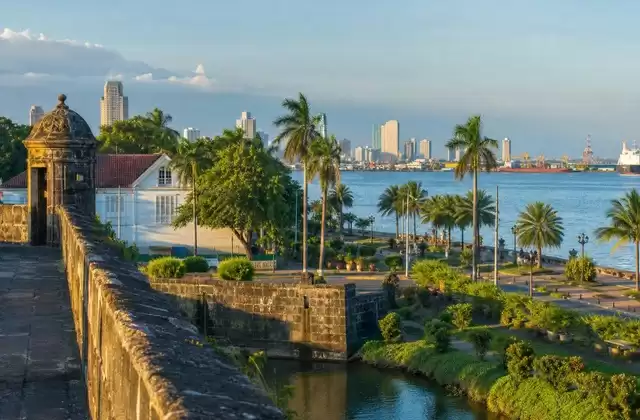
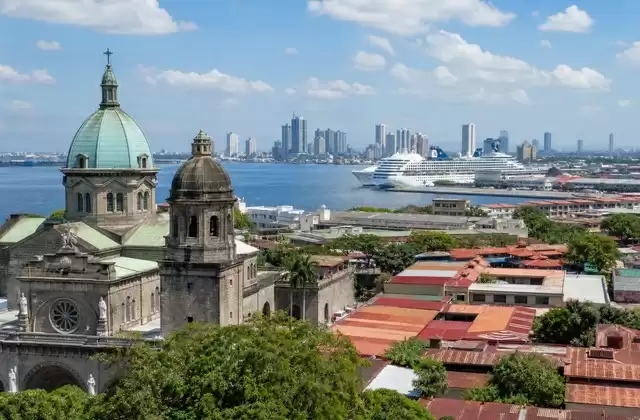
Intramuros, Rizal Park and the bay provide a first historical and urban approach to the country.

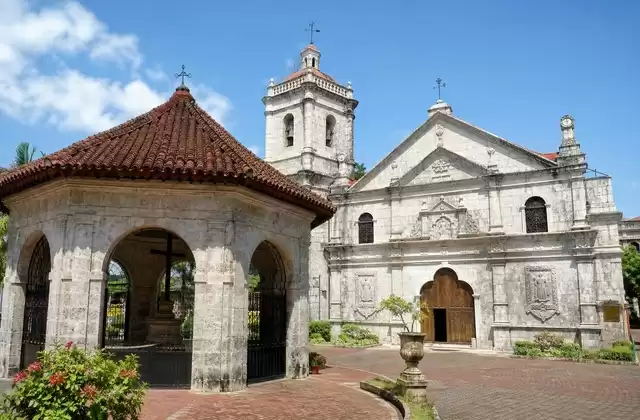
In Cebu
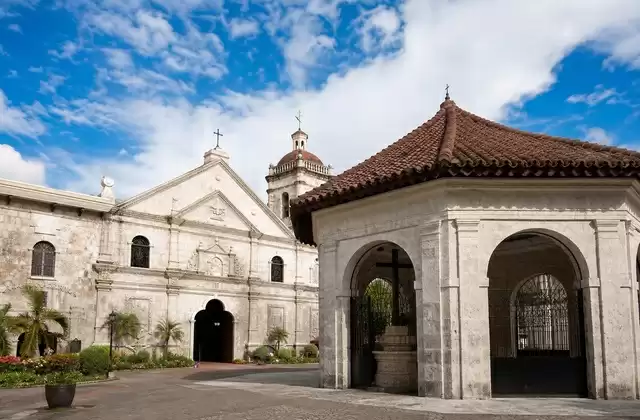
The Basilica del Santo Niño and the Magellan Cross recall the beginnings of the Spanish presence in the archipelago.

In Puerto Princesa
Markets, the seafront and nature excursions offer a balanced stopover.

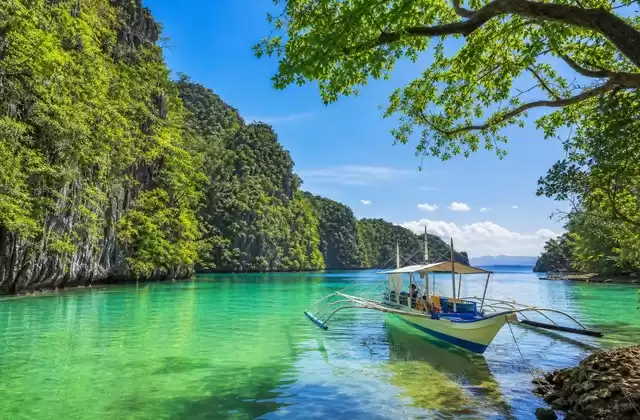
Coron Bay
Turquoise waters framed by limestone cliffs give one of the strongest images in the Philippines.

In Bohol
The Chocolate Hills offer a very recognizable landscape, different from classic seaside images.

Boracay
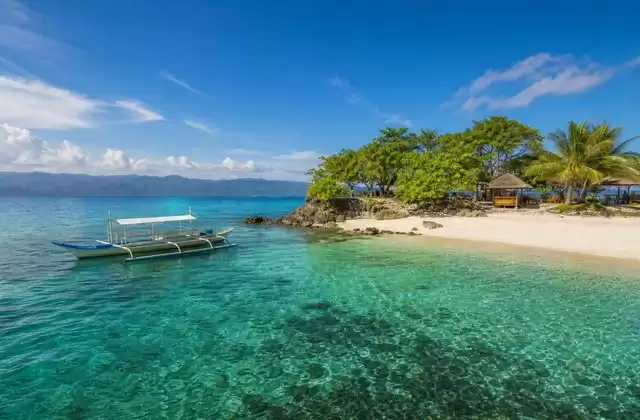
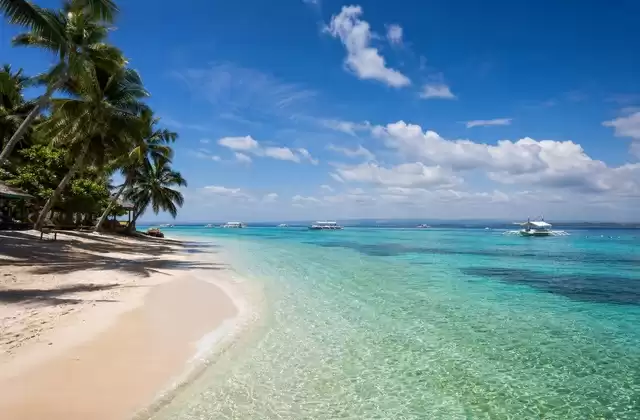
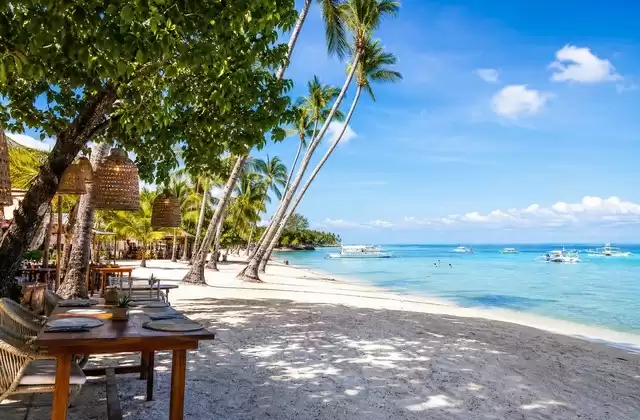
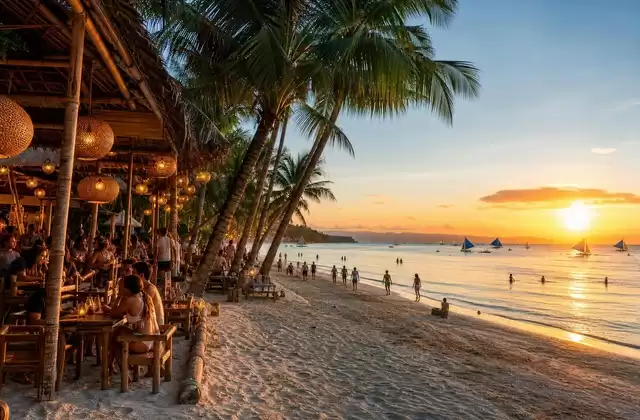
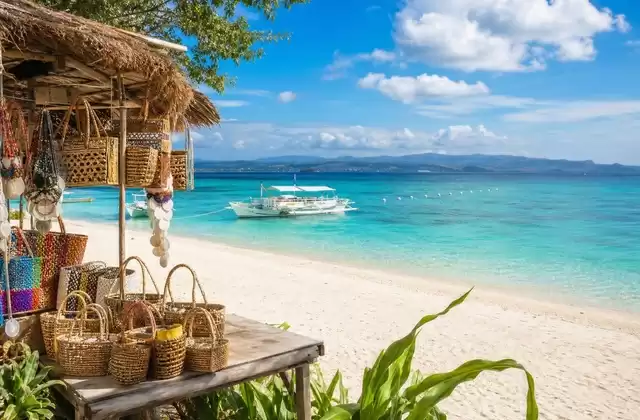
White Beach remains the quintessential white-sand setting, especially late in the day.

Boracay
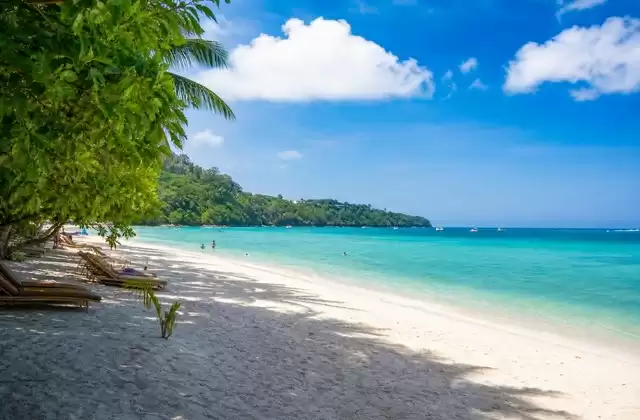
White Beach and Puka Beach allow you to choose between lively atmosphere and quieter break.

In Manila
Historic districts and local spots provide a more urban perspective on the archipelago.

In Cebu
Markets, street food and old sites make up a lively and varied stopover.
Navigate Coron's lagoons
Coron is often remembered as one of the most impressive ports of call in the Philippines. Travelers love the limestone cliffs, clear waters, snorkeling stops and the feeling of moving from one lagoon to the next through spectacular scenery.
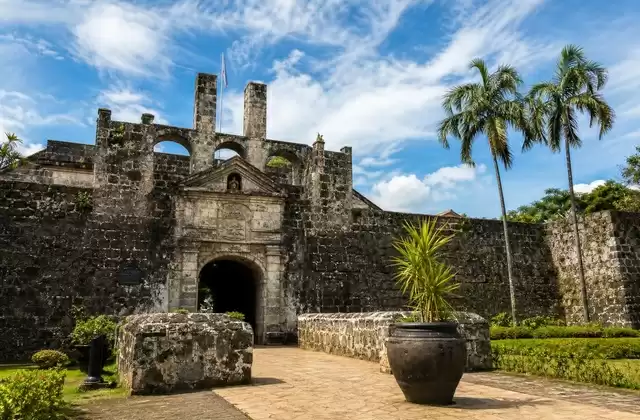
Explore Intramuros to understand Manila
Intramuros gives historical depth to a stopover sometimes perceived as very dense. Travelers love the ramparts, churches, old houses and the way the neighborhood tells the Spanish period in the heart of the capital.
Link Cebu and Bohol between heritage and tropical landscapes
The Visayas appeal to travelers because they offer varied experiences while retaining the character of the archipelago. With Cebu's historic landmarks, Bohol's Chocolate Hills, tarsiers and Panglao's beaches, the port of call can feel exceptionally complete.
Stop at the Puerto Princesa market before a sea trip
In Palawan, Puerto Princesa is about more than island excursions. Travelers enjoy its markets, fruit, fish, small local spots and port-city atmosphere, which provide an everyday counterpoint to the lagoon scenery.
Find a quieter beach at Puka Beach on Boracay
When White Beach becomes too lively, Puka Beach offers a welcome change of pace. Travelers like its more natural sand, less developed atmosphere and the chance to discover another side of Boracay without leaving the island.
Taste street food around Cebu after historical visits
In Cebu, travelers often remember the simpler moments that follow visits to the classic sights. Stopping for skewers, rice, fruit or a small local eatery lets you experience the city beyond its monuments.
Founded in 1571 by Miguel Lopez de Legazpi, Manila is the capital of the Philippines. The city boasts colonial architecture, as well as the interesting fortified Intramuros district. Discover the National Museum, Rizal Park and San Augustin Church, also dating from 1571. The temples in Santa Cruz's Chinatown district are also well worth a visit.
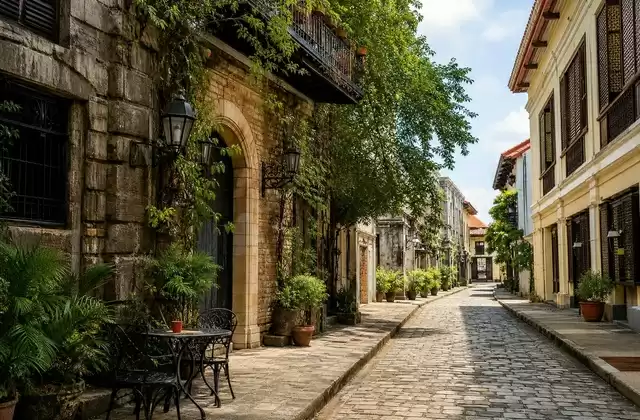
In Manila Bay, off the coast of the city, Corregidor Island is accessible by boat. An important historical site, it was one of the few bulwarks against the Japanese invasion during the Second World War. You can still discover a lighthouse dating back to 1853, as well as beautiful beaches. Forty minutes from Manila, the town of Vigan awaits you. Built in the 16th century, this former European trading post is a UNESCO World Heritage Site. It boasts several history museums, including Crisologo, which traces the history of the Spanish and Portuguese on the island. Also a UNESCO World Heritage Site, the Banaue rice paddies are located in the central Cordillera on the island of Luzon. Between 2,000 and 6,000 years old, they are ideal for trekking through the mountains to discover the Ifugao tribes.
In the Mindanao region, there are several typical villages to discover, such as Davao. You can also climb Mount Apo to discover the Manoba ethnic groups. Not far away, towards Lake Sebu, Zamboanga still has a strong Spanish heritage. There are also some interesting Muslim villages built on stilts. But the Philippines also boasts beaches and a dream natural heritage. The Puerto Princesa Subterranean River National Park, a UNESCO World Heritage Site, allows you to appreciate a series of caves via an underground river in the heart of a lush forest. On the UNESCO-listed Tubbataha reefs, diving enthusiasts can take to the water in one of the world's best diving spots.
The Philippines traditionally enjoys three main seasons: the hot season between March and May, the rainy season between June and November, and the cold season between December and February. It's worth noting that between May and December, the monsoon season often brings violent and destructive typhoons. However, the interior and west of the country are generally sheltered from these violent winds by the Philippine mountain range, which runs north-south along the country's eastern coast. As for temperatures, the coolest are frequent in January, and the hottest in May. In general, temperatures average around 25°C all year round.